

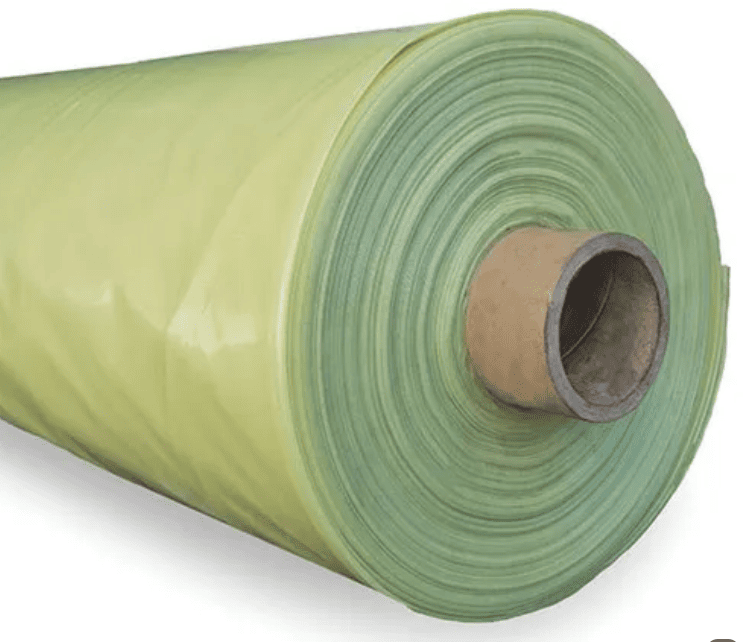
Van Leer has been manufacturing 200 – 250-micron UVI treated greenhouse sheeting. With manufacturing experience for the past 4 decades and we are now the leading designer and installer of greenhouse tunnels, products and accessories. We give you the ability to create your own microclimate, controlling the temperature and humidity that you expose your plants to. Whether you want to grow be it vegetables all year long, cultivate exotic plants, or start seedlings off very early in the season, our greenhouses provide the adaptable growing environment you need. We provide single-span greenhouses and multi-span greenhouses according to different planting needs and different covering materials, we provide plastic film greenhouses and polycarbonate greenhouses. The greenhouses are customizable and can last over fifteen years. greenhouse construction and repairs Vanleer’s greenhouse sheeting is crafted from high-quality LDPE virgin plastic granules and treated with UVI (Ultra Violet Inhibitor) to enhance durability and protection against sun damage. With a standard thickness of 200 microns, the film allows optimal light transmission while withstanding harsh weather conditions. Available in widths of up to 6 meters, it’s an ideal solution for modern greenhouse applications requiring reliable, long-lasting cover.
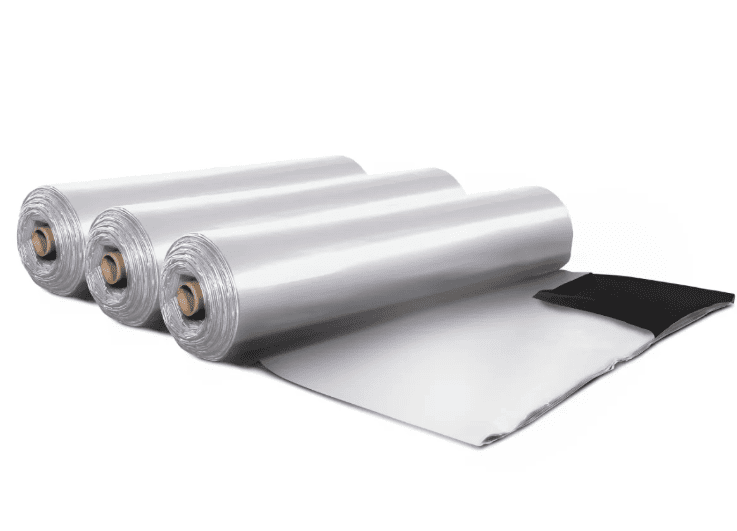
Vanleer’s silage plastic and rolls are designed to preserve the nutritional value of feed for livestock, providing reliable and durable storage solutions for silage. Made from high-quality LDPE plastic, the film offers exceptional strength and tear resistance, even in harsh outdoor conditions. The plastic is designed to be UV-stabilized, preventing degradation from prolonged exposure to sunlight, ensuring long-term protection for silage during storage. Available in various sizes and thicknesses, our silage rolls can be customized to meet specific storage needs, providing an airtight seal that helps to maintain feed quality and prevent spoilage. Perfect for both small and large-scale farming operations, Vanleer’s silage plastic and rolls are the ideal solution for efficient and cost-effective feed storage.
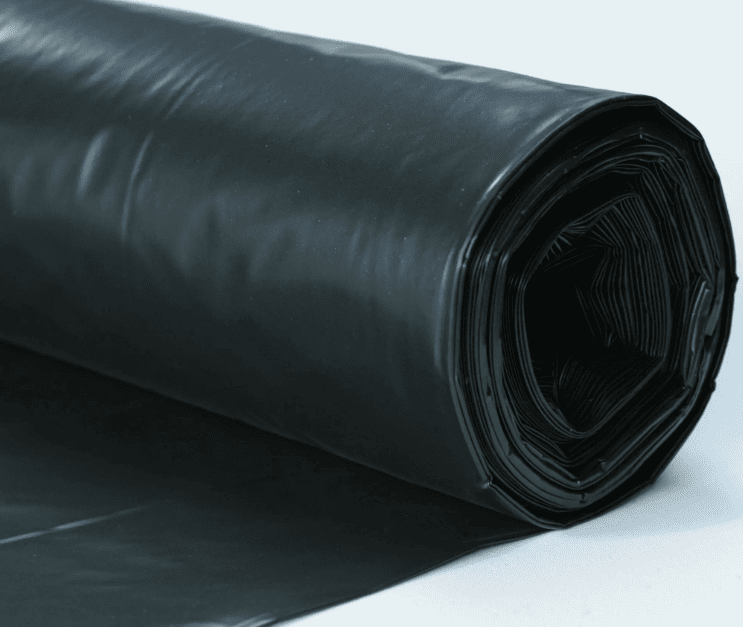
Black polythene sheeting is a highly versatile material with a broad range of applications across multiple industries, for instance, in the construction industry it primarily serves as a moisture barrier, vapor barrier, and damp proofing material. It is also extensively used in agricultural settings for weed control and mulching, as well as in the lining of fish ponds and dams to prevent water loss. Its ability to provide protection, prevent contamination, and resist environmental factors makes it a valuable tool in many sectors, especially where water management and moisture control are critical. Below are some of the things some of our valued customers use Black Polythene Sheeting for.
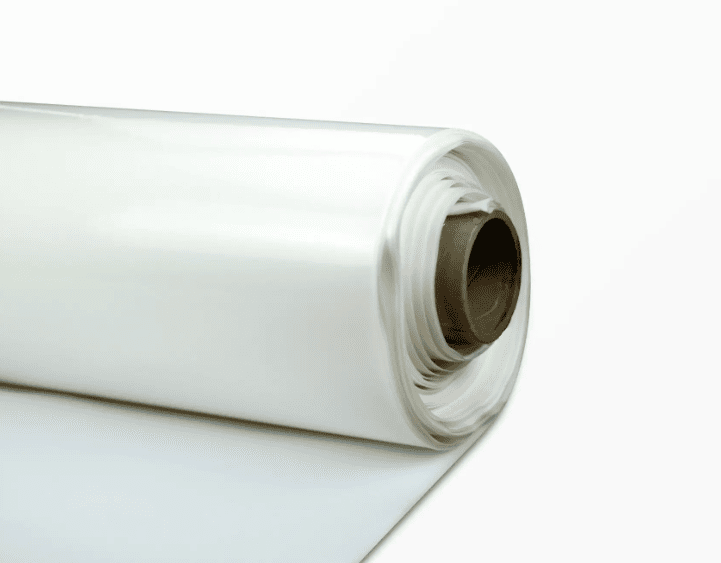
Tobacco seedbed covers and fumigation sheets are essential tools in tobacco farming, specifically in the early stages of growing tobacco seedlings. These tools are used to improve the success rate of seedling growth, protect against pests, and control diseases. Tobacco Early Seedbed Covers Tobacco seeds require a warm and humid environment to germinate properly. Seedbed covers help in maintaining consistent temperatures and humidity levels, which are crucial for successful seedling development. They cover trap heat from the sun, especially during cooler mornings or nights, ensuring that the seeds get the warmth needed for germination. The early seedbed covers also help to protect the seedlings from extreme weather conditions such as heavy rainfall and strong winds. The seedbed. Seedbed covers can also help in minimizing soil erosion. By stabilizing the soil, they prevent seed displacement due to rain or wind. The covers can also act as a barrier to weed growth by blocking sunlight from reaching the soil surface. This reduces the competition for nutrients, water, and light between tobacco seedlings and weeds. Tobacco Fumigation Sheets Fumigation sheets are often used in combination with soil fumigants to control soil-borne pests and diseases (like nematodes, fungi, and bacteria) that affect tobacco crops. The fumigation process involves applying chemical fumigants to the soil, and the fumigation sheets are used to seal in the gases, ensuring that the chemicals effectively treat the soil by keeping them in contact with it longer. By reducing the incidence of pests and diseases in the soil, fumigation sheets help create a healthier growing environment for tobacco seedlings. This improves seedling vigor and overall crop productivity. Fumigation is an effective, targeted method to deal with soil pathogens before planting, potentially reducing the need for additional chemical pesticide applications during the growing season. Fumigation sheets help prevent the spread of fumigant gases into the surrounding environment, reducing the risk of contamination and exposure to non-target organisms. Soil fumigation, particularly when combined with proper sealing using fumigation sheets, can also help break down organic matter and improve soil structure. This can lead to better nutrient availability for the tobacco plants.